“I’m not a perfect student.”
You don’t need a perfect GPA or a dramatic story to put together a strong application.
And it doesn’t start with applying to every scholarship you can find. It starts with the student: their story, strengths, experiences, and goals. I earned more than $525,000 in scholarships and received three full-ride offers. Along the way, I learned that where you apply matters just as much as how many applications you send. Now I help students figure out what makes them stand out, find scholarships worth their time, and keep their applications organized.
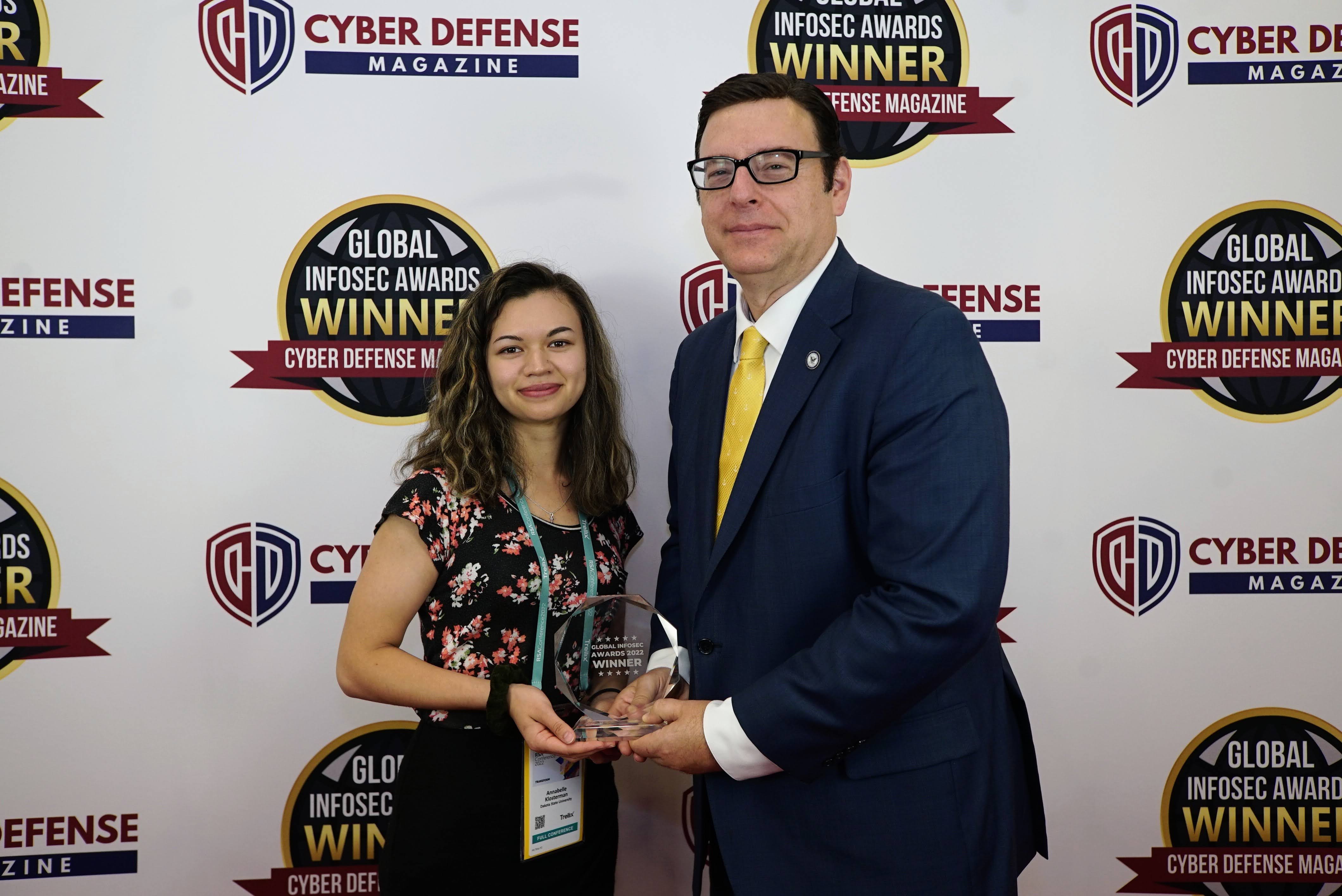
 A graduation day I’ll always remember.
You don’t have to become someone else. You need to recognize what makes your experiences worth sharing and learn how to talk about them.
You don’t need a perfect GPA or a dramatic story to put together a strong application.
I know what it’s like to look for scholarships without a traditional school counselor.
Activities, work, hobbies, interests, and goals can all help reveal scholarship opportunities.
You can be part of the strategy while your student builds confidence and ownership.
I was homeschooled and not a 4.0 student. Scholarships that fit my interests helped cover tuition, and the extra came back in checks.
My awards added up to more than my tuition. After the university paid my bill, it sent me checks for the remaining funds. With the stipends, I was paid to go to college.
Full tuition, a stipend, and a guaranteed job.
Tell me what you’re working on, and I’ll help you figure out where to start.
Pick one. You can always change your mind.
One-on-one scholarship coachingWe can look at the student’s strengths, find scholarships that match, and make a plan for applications.
Choose personalized one-on-one guidance, a focused class or workshop, or a semester-long program with structure and accountability.
We start with a conversation about the student’s experiences, interests, activities, strengths, and goals. From there, we identify themes worth highlighting, build a shortlist of relevant scholarships, and map out next steps. Coaching can include profile review, scholarship-fit research, application planning, and feedback on selected essays or application responses.
Students get tools and guidance to handle the work themselves. I’m there to help them make the most of it.
Choose a focused topic, like finding scholarships, building a stronger student profile, or writing application essays, or use a session to walk through the scholarship process from start to finish. Students work through practical examples, identify their next steps, and leave with tools they can put to use right away. Workshops can be adapted for a class, student group, or family audience.
A one-time class or workshop is designed to teach, clarify, and help students know what to do next.
This is for students who want more than a one-time conversation. Across a semester, the group works through the process in stages: understanding each student’s strengths, building a targeted scholarship list, organizing deadlines, and making progress on applications and essays. Students complete work between recurring sessions, bring questions and drafts for feedback, and benefit from shared momentum and accountability.
Students work through the process together, get feedback along the way, and leave with a way to keep going after the program ends.
Take stock of the student’s background, experiences, activities, interests, and goals. Those details help show what makes them different.
Look for scholarships that match the student. A well-chosen application is usually a better use of time than sending out dozens that aren’t a fit.
Keep deadlines, essays, and application materials in one place so you’re not hunting everything down each time you apply.
I was homeschooled, my family wasn’t planning to fund college, and I had to figure out the process for myself. I learned how to position my story, search strategically, and stay organized.
I looked for opportunities that made sense for my background, interests, experiences, and goals instead of applying to every scholarship I came across.
A tracker and organized application materials helped me keep up with deadlines, reuse parts of my applications, and keep going when I heard nothing back or got a rejection.
I work in cybersecurity, but this isn’t just for STEM students. I help students see what they have to offer, find opportunities that fit, and build skills they can use in college, work, and beyond.
I didn’t win scholarships because I had perfect grades or a dramatic story. I learned how to position myself as a strong candidate, focus on scholarships that fit, and use a system to stay organized. I applied to more than 50 scholarships, earned over $525,000 in awards, and received three full-ride offers. My scholarships covered more than the cost of tuition, and the remaining funds were returned to me by my university. With the stipends, I was paid to go to college.
Today, I share what I learned with students and families. The same skills can help with opportunities in college, careers, and beyond. And this isn’t limited to STEM. It starts with the student’s own experiences and goals.
You want to help your student make good decisions without taking over the process. That’s where a little structure and outside guidance can make a difference.
My approach gives students the tools to take ownership while giving parents a clearer picture of what’s happening and how to support them.
We start with your student’s interests, experiences, activities, strengths, and goals, not a generic list of scholarships.
Build a focused scholarship list, understand deadlines, and organize essays and application materials in one place.
Your student does the thinking, writing, and applying. I provide guidance and feedback so the work stays theirs.
We can talk about where your student is now, what kind of help would be useful, and whether coaching, a workshop, or a semester program makes sense.
It’s okay to ask how this works before you decide if it’s right for your family.
No. I definitely wasn’t a 4.0 student, and plenty of scholarships aren’t based on merit or grades. We can look for opportunities that fit a student’s interests, experiences, and goals.
No. I have experience with STEM and cybersecurity scholarships, but students in every field can use these ideas. The best opportunities depend on the individual student, not just their intended major.
No. The goal is to teach students how to approach the process themselves. I can help review select applications and essays, offer feedback, and show them how to strengthen their work while keeping their own voice.
Absolutely. Parents are welcome to be part of the conversation and the plan.
No. Scholarship decisions are made by the organizations offering the awards. I can help students understand their strengths, choose scholarships carefully, and put their best work forward. I can’t promise that they’ll receive an award.
Tell me a little about your student and what kind of support you’re looking for. I’ll follow up by email to talk through next steps.
No need to have everything figured out. Share where your student is in the process and what questions you have.